
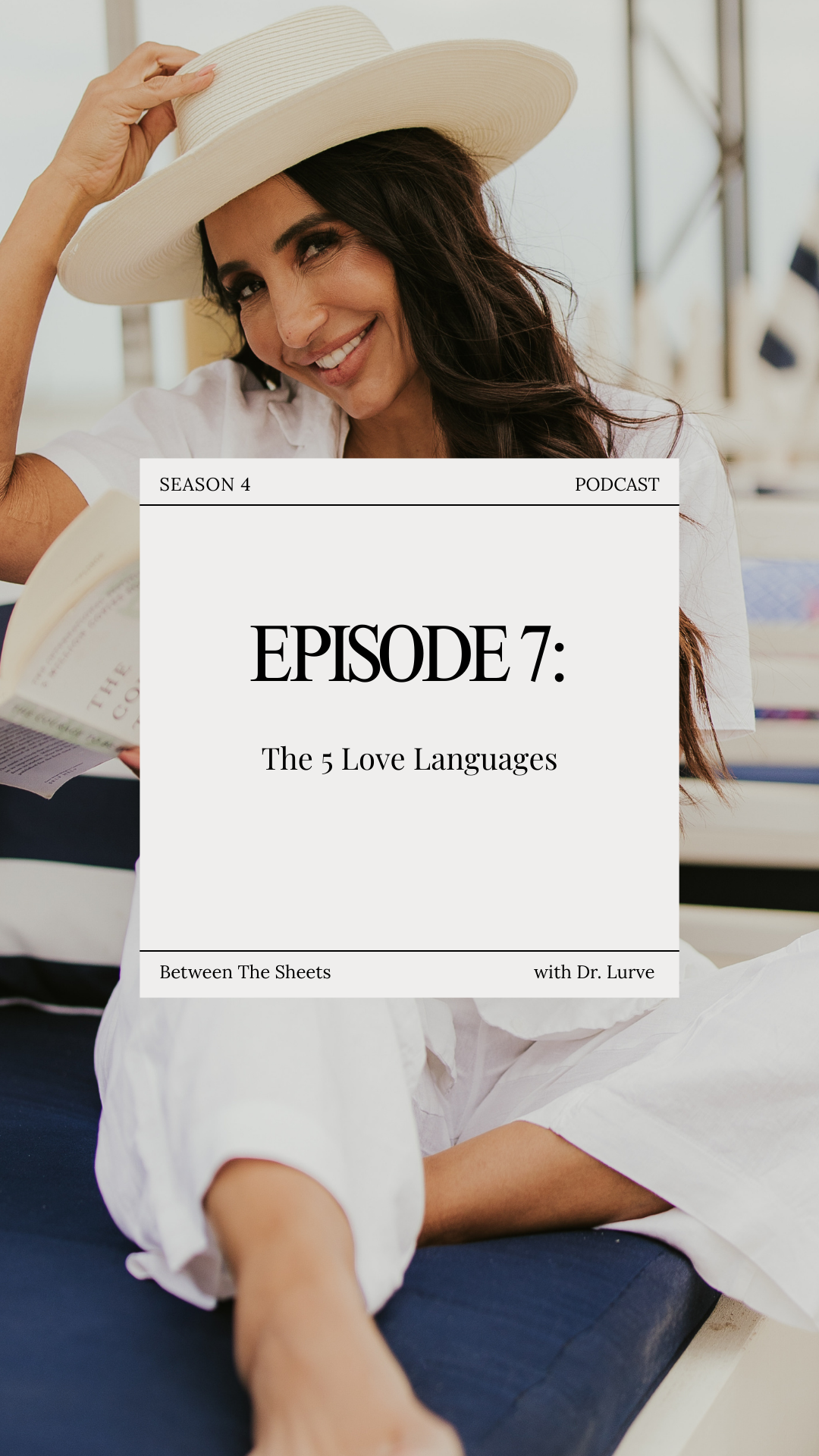
Episode #7: The 5 Love Languages
Love can be deep, genuine, and full of effort yet still leave your partner feeling unloved.
In this episode of Between the Sheets, we unpack one of the most widely known but most commonly misunderstood relationship concepts: the five love languages.
Most people have heard of them. Many have even taken the quiz. But very few couples actually use them in a way that improves their relationship. We explore why loving someone the way you want to love them often misses the mark, and how understanding your partner’s emotional language can transform connection, reduce resentment and stop the constant feeling of “nothing I do is ever enough.”
We break down how each love language actually works in real relationships how to love someone right, how people often love wrong, and how to start having the conversations that bring couples back into alignment.
In This Episode
Why you can deeply love someone and still make them feel unloved
What the five love languages really mean in everyday relationships
The difference between intentional love vs. love that actually lands
Common mistakes couples make when using love languages
Why effort without alignment often feels empty
How miscommunication turns into resentment over time
The simple conversations that can change your relationship dynamic
The Five Love Languages Explained
Words of Affirmation
For these people, words regulate their nervous system.
They feel loved through:
Verbal appreciation
Encouragement
Being told they matter
What hurts:
Silence
Only speaking up when something is wrong
Assuming they “just know” you love them
Quality Time
This isn’t about spending more time together.
It’s about being fully present.
They feel loved through:
Undivided attention
Deep conversations
Shared experiences
What hurts:
Constant distraction
Half listening
Being physically together but emotionally absent
Acts of Service
For these partners, love is demonstrated through action.
They feel loved when you:
Help without being asked
Follow through on promises
Lighten their load
What hurts:
Empty words without action
Broken promises
Minimizing practical responsibilities
Physical Touch
This language is about connection through the body not just sex.
They feel loved through:
Hugs, hand holding, cuddling
Affection outside the bedroom
Small physical reassurances
What hurts:
Only touching when you want sex
Withdrawing touch during conflict
Treating physical affection as optional
Gifts
This is the most misunderstood love language. It isn’t about money or materialism. It’s about thoughtfulness and being remembered.
They feel loved when you:
Give meaningful, thoughtful items
Remember important dates
Surprise them with small gestures
What hurts:
Forgetting consistently
Dismissing gifts as materialistic
Last minute or impersonal presents
The Big Relationship Insight
Most people love the way they want to be loved and expect their partner to translate it. But love isn’t telepathic. It’s learned, intentional, and practiced.
When couples learn each other’s love language:
Arguments about effort disappear
The guessing stops
Partners feel seen and valued
Love becomes clear, efficient, and nourishing.
Important Reminder
Love languages are tools not band aids.
They won’t fix relationships with deeper issues like:
Emotional unavailability
Chronic neglect
Lack of respect
Contempt or abuse
Healthy relationships also require:
Communication
Emotional safety
Repair after conflict
Curiosity about each other’s inner worlds
Try This With Your Partner
After taking a love language test, ask each other:
What makes you feel most loved?
Where have I been missing the mark?
How can I love you better?
Approach the conversation with curiosity, not defensiveness. These discussions can change everything.
Key Takeaway
Love isn’t about loving harder. It’s about loving wiser. When you learn your partner’s language, you stop guessing and start connecting.